

Have you ever spent 20 minutes staring at Netflix only to end up watching nothing? Or found yourself standing in the grocery aisle paralyzed by 14 different brands of olive oil? You aren’t broken, lazy, or incapable of making up your mind. You’re just experiencing the invisible cognitive weight of modern life.
Every day, the average adult makes roughly 35,000 decisions. From the instant your alarm goes off—do I hit snooze or get up?—to what you eat, reply to, prioritize, or buy, your brain works overtime. By mid-afternoon, your prefrontal cortex is operating on fumes.
Over the past two years, I started delegating low-stakes choices to random selection tools: digital wheel spinners, random number generators, and simple coin flips. What began as an experiment to decide where to order lunch turned into a fundamental shift in how I manage my mental energy.
Outsourcing trivial choices to a neutral algorithm yields immediate psychological advantages. Here are seven real, science-backed psychological benefits of incorporating random selection tools into your daily workflow.
Key Psychological Benefits of Random Selection Tools
1. Crushing Decision Fatigue Before It Drains Your Battery
Psychologists use the term decision fatigue to describe how the quality of our choices deteriorates after a long session of decision-making. Think of your willpower like an iPhone battery. Every choice you make—no matter how small—drains 1% or 2% of that battery.
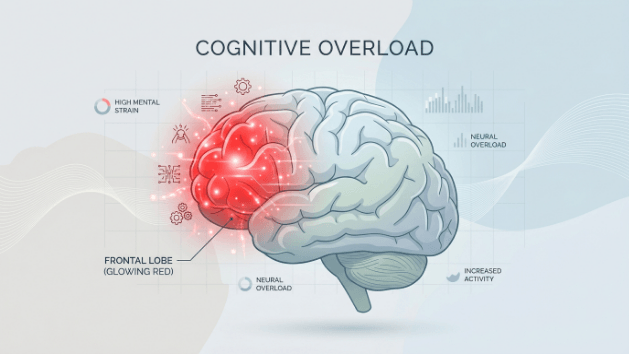
When you spend your finite morning mental energy choosing between three nearly identical email subject lines or figuring out which task to tackle first, you have less energy left for high-stakes problem-solving later.
[35,000 Daily Choices] ➔ [Prefrontal Cortex Overload] ➔ [Decision Fatigue & Brain Fog] │ [Deploy Random Selection Tool] │ ▼ [Preserved Willpower for High-Impact Decisions]
Using a random name picker or selection wheel for minor items acts as a mental power saver mode. You conserve your prefrontal cortex’s core processing power for complex tasks that actually require strategic thinking, like reviewing a contract, writing a report, or handling a difficult conversation.
2. Unlocking Hidden Desires Through the “Flipped Coin” Effect
Here is an experiment you can run right now. If you’re stuck between Option A and Option B, assign each to a coin side and flip it.
Pay close attention to what your gut does while that coin is in the air.
- Do you secretly hope it lands on Heads?
- When it lands on Tails, do you feel a subtle pang of disappointment?
That reaction is pure psychological gold.
Psychologists call this emotional priming. When you hand over a decision to an external randomizer, your subconscious resistance drops. The instant the tool makes a choice for you, your genuine emotional preference reacts. If the tool picks Option B and your stomach tightens, you instantly realize you actually wanted Option A all along.
Random selection tools don’t just pick things for you—they act as diagnostic mirrors that reveal what you secretly wanted in the first place.
3. Breaking Free from “Analysis Paralysis”
When faced with too many choices, the human brain tends to freeze up completely—a phenomenon known as analysis paralysis. We convince ourselves that if we just analyze the options for another ten minutes, read five more reviews, or build one more comparison spreadsheet, the “perfect” choice will emerge.
Key Takeaway: Perfect is the enemy of done. In low-stakes scenarios, the cost of deliberating almost always exceeds the difference in quality between Option A and Option B.
Random selection tools break this loop by enforcing momentum. They substitute overthinking with immediate action.
| Situation | Without a Randomizer | With a Randomizer |
| Team Meeting Q&A | Awkward silence, waiting for volunteers | Spin a random name picker to select the first speaker |
| Daily Work Tasks | 15 minutes deciding which minor bug to fix | Paste task IDs into a random generator and start work |
| Dinner Options | 30-minute debate over takeout options | Put 4 local spots on a wheel, spin once, and order |
4. Reducing Post-Decision Regret and Buyer’s Remorse
When you spend hours evaluating options and the outcome turns out average, you feel personally responsible. “If only I had picked the other path, things would be better.” This mindset fuels perpetual regret and self-doubt.
Psychologically, delegating low-stakes choices to a neutral tool shifts the origin of the decision outside yourself. While you still take responsibility for executing the task, you eliminate the cognitive burden of second-guessing whether you picked the “correct” starting point.
Because you didn’t agonize over the initial pick, you aren’t hyper-fixated on finding flaws in the outcome. You simply accept the result, move forward, and save yourself from endless internal debates.
5. Outsmarting the “Paradox of Choice”
In his famous book The Paradox of Choice, psychologist Barry Schwartz demonstrated that while having some choice makes us happier, having too many choices leads to anxiety, higher expectations, and eventual dissatisfaction.
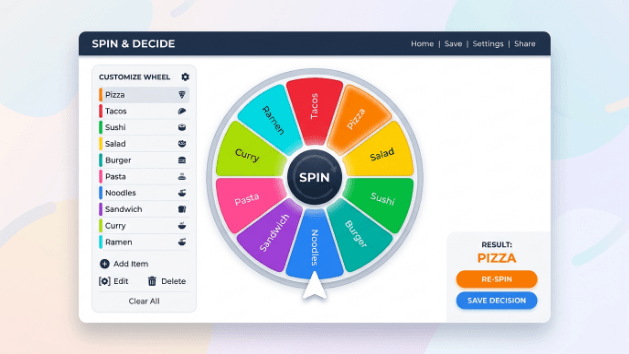
When you present your brain with 20 options, it attempts to weigh all 20 simultaneously. Randomizers let you apply a simple, two-step filter strategy:
- Human Curated List: Filter out bad options down to a shortlist of 3 to 5 acceptable candidates.
- Algorithmic Selection: Let a random selection tool pick one candidate from your shortlist.
By delegating the final tie-breaker to a randomizer, you bypass the psychological trap of abundance. You get the benefits of flexibility without paying the cognitive penalty of over-choice.
6. Neutralizing Bias and Conflict in Group Dynamics
Making decisions alone is hard enough. Making them in a group setting—whether with family, roommates, or co-workers—introduces social pressure, office politics, and emotional friction.
Who gets to present their project first? Who takes notes today? Which restaurant is the team going to for Friday lunch?
Human leaders carry subconscious biases, and group members are quick to spot real or perceived favoritism. Random selection tools serve as entirely impartial referees.
When a team uses a random generator to assign tasks or order presentations, everyone recognizes the process as fair. It removes personal friction from the equation. Nobody feels singled out or targeted because the algorithm has no ego, agenda, or favorite team members.
7. Introducing Novelty to Re-Engage a Stale Brain
Human brains love predictability because it saves energy. But too much routine leads to autopilot mode, boredom, and reduced cognitive engagement.
When you intentionally introduce controlled randomness into your week, you gently nudge your brain out of its comfort zone:
- Learning & Skills: Put 10 different tutorial topics into a randomizer to decide what to learn during your Friday afternoon study session.
- Fitness: Randomize your daily workout routine (e.g., bodyweight exercises vs. cardio vs. yoga).
- Creative Writing & Design: Use random word or color palette generators to kickstart creative projects without staring at a blank canvas.
That small element of surprise releases a quick hit of dopamine—the neurotransmitter linked to motivation and curiosity. It transforms routine chores into something fresh and interactive.
How to Build Your Own Random Selection Workflow
To get real benefits from these tools, avoid using them haphazardly. Establish a clean, repeatable system for everyday choices:
- Identify High-Frequency, Low-Stake Triggers: List the repetitive choices that stall your day (e.g., choosing lunch, picking background music, setting the daily task order).
- Set Up Pre-Saved Lists: Keep pre-populated lists ready in tools like Wheel of Names, Random.org, or simple mobile picker apps so you don’t waste time re-entering options.
- Commit to the “Single Spin” Rule: Never spin a wheel three times until you get the answer you wanted. If you catch yourself wanting to re-spin, that is your brain telling you what you actually prefer—go do that option directly.
Final Thoughts
We live in an era of unprecedented choice, but our brains were never wired to evaluate thousands of options every hour.
Random selection tools aren’t a gimmick for indecisive people—they are pragmatic productivity tools for anyone looking to protect their focus. By outsourcing low-stakes decisions to a neutral algorithm, you quiet the background noise in your head, lower your daily stress, and reserve your best mental energy for the work that truly matters.